
How to Be a Good Aunt or Uncle: Small Ways That Matter
Updated 2026-11-17
Maybe you remember the first time someone put a tiny new person in your arms and said, "This is your niece." Or maybe the child in your life is the six-year-old who hides behind a parent's leg every time you visit, then warms up just as it is time to leave. Either way, there is a quiet question underneath: what am I to this kid, and how do I become someone who matters to them?
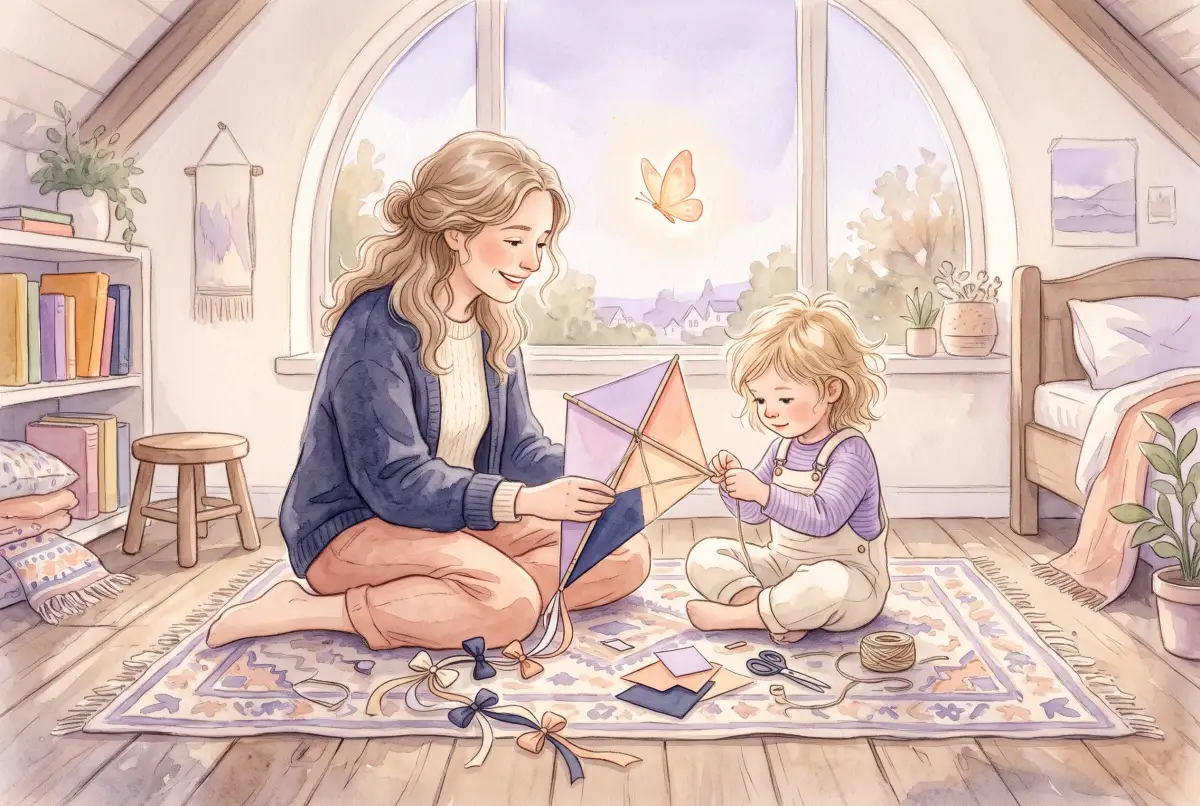
You are not the parent, and you are not a stranger. That in-between role can feel undefined, especially if you live far away, see them twice a year, or are a chosen aunt or uncle with no family title at all.
If you are asking how to do it well, that already says something kind about you. This guide looks at what research suggests about the other caring adults in a child's life, and at small, steady ways to show up that fit a real, busy life.
You do not have to be the fun one
Many aunts and uncles feel pressure to be the exciting visitor, the one with the best presents and the biggest plans. It is a lovely instinct, and it can also be exhausting and expensive.
Try a different memory. Think back to an adult outside your home who mattered to you when you were young. What do you actually remember? Chances are it is something simpler: this person seemed glad to see you, and listened as if your answers counted.
That is good news. Being glad to see someone and listening well are things almost anyone can offer, on almost any budget.
What research suggests about the other caring adults
In a survey of 6,188 adults in Wisconsin, researchers asked about seven positive childhood experiences. One of them was having at least two adults, other than parents, who took a genuine interest in you. Adults who recalled six or seven of these experiences were less likely to report depression or poor mental health than those who recalled two or fewer, and that pattern showed up across different levels of childhood hardship. This was one survey of adults looking back, so it cannot show that any single experience, including this one, made the difference, and this item was not analyzed on its own in the study summary. It is a hint, not a promise, that caring adults beyond the parents are part of a child's picture.
A meta-analysis of 30 studies on natural mentoring looked at caring adults young people find in their everyday lives, rather than through a formal program. Simply having such a person was linked to better outcomes for young people, but the effect was small. The quality of the relationship, meaning how connected, supported and free to make their own choices the young person felt, was linked to a larger effect, though still a modest one.
Aunts and uncles may fit this kind of role, though these studies were about caring adults in general, not aunts and uncles specifically. What the research suggests is reassuring: it is less about how impressive you are, and more about how the relationship feels from the young person's side.
Be curious about the kid they are right now
Children change fast. The eight-year-old who loved trains is now eleven and would rather do almost anything than talk about trains. One of the kindest things you can do is keep updating your picture of them.
A few ways in:
- Ask them to teach you something. Their favorite game, a song they love, how a creature in their show works. Being the expert, for once, can feel good to a kid.
- Swap broad questions for specific ones. "How is school?" usually gets "fine." "Who do you sit with at lunch?" or "What is the hardest level you have beaten?" gives them something to grab.
- Remember one thing for next time. If they told you about a friend named Maya, asking "How is Maya?" months later can mean more than any present.
- Let quiet be okay. Some kids talk more while their hands are busy, drawing, building, cooking or walking beside you.
If a child does not warm up, or finds eye contact, calls or hugs hard, that is not rejection. Let them set the pace and the way, whether that is texting, drawing, sitting side by side, or playing near each other without much talking.
Steady beats spectacular
You do not need a grand gesture. Small rituals, repeated over time, can become the thread a child holds on to.
It might be pancakes every time you stay over, a postcard from every trip, a silly handshake, a running joke, or the same question you always ask. "What was the best part of your week?" can become theirs and yours. They are easy to keep going through busy seasons, and they quietly say, "I remember you, and I keep coming back."
Long distance still counts
If you live far away, video calls with kids can feel awkward. Kids are rarely good at answering questions on a screen, and that is not a sign they do not care.
What tends to work better is doing something together instead of interviewing them. Let them give you a tour of their room. Read a picture book while they turn the pages on their end. Play a simple guessing game. Ask the parent when a call fits the family's day, and keep it short so it ends while it is still fun.
And send real mail. Many kids rarely get anything addressed to them. A postcard, a drawing, or a photo of something that made you think of them can sit on a shelf for months.
Back up the parents, especially when you would do it differently
Your relationship with the child usually runs through your relationship with their parent. In interviews with 21 uncles and 31 nephews in New Zealand and the United States, uncles described themselves as supplements to parents, as friends, and sometimes as stand-in parents. They offered advice, and they also acted as family historians, helping nephews make sense of their parents and siblings. Nephews, in turn, helped uncles understand other family members. It was a small interview study of uncles and nephews, so it does not describe every family, but it names a role many aunts and uncles will recognize: the adult who can say, "Your mom was exactly like that at your age."
One exception comes first: if you ever think a child is being hurt or is unsafe, including by a parent or another adult in the home, backing the parents stops being the goal. The child comes first.
For everyday differences, here is how to keep the door open:
- Ask the parents about their rules on screens, sweets, bedtimes and big topics, and follow them when the kids are with you.
- If you disagree with something, talk to your sibling privately, not in front of the children.
- Offer help that fits what the parents actually need. Sometimes the best gift for the kid is an hour of rest for their parent.
Be a safe person to tell things to
As kids grow, some will tell an aunt or uncle things they are not ready to tell their parents. That trust is a gift. Listen first, stay calm, and resist the urge to fix or lecture.
One honest limit helps everyone: avoid promising total secrecy. You might say, "I will keep most things between us, but if I am worried you are not safe, I will need to get help." If a child tells you something that suggests they are being hurt, do not wait to see if it passes, and do not confront the adult yourself first. Stay calm, believe them, thank them for telling you, and contact local child protection services or the police. That is the caring thing to do, not a betrayal.
If your role feels complicated
Not every aunt or uncle story is simple. Maybe you are a chosen aunt or uncle, a family friend the kids call by a made-up title. That counts. Maybe there is distance or tension with the parent, and you see the kids less than you would like. That is not a verdict on your love, and you can stay warm from wherever you are. Maybe you are kept apart from the kids entirely, by a family rift or a custody or safety decision. That grief is real, and respecting the boundary can be part of loving them. And for some people, loving a niece or nephew brings mixed feelings about their own life and the children they did not have, or lost. Those feelings can sit alongside the love. Both can be true.
How Murror can help
Murror is the empathy practice, a place to understand what you feel and the people you care about, so you can show up for them a little better.
You can open up to a caring AI that helps you make sense of things, like why visits with your nephew feel stiff, or what your sibling might be carrying as a parent right now. Putting it into words often helps you see the kid, and the family, a little more clearly.
Murror also offers gentle insights about your relationships and small, low-pressure ways to show up. Moments to Care can suggest simple ways to reach out, and in Connections you can draft a thoughtful message, like a note to your sister asking what would actually help this month.
If something you realize in private feels worth sharing, you can turn it into an optional takeaway to share with someone you trust. Nothing leaves unless you choose it, and everything stays encrypted and private by default.
Murror is not therapy, and it is not a replacement for the people in your life. It is a quiet space to understand yourself and others, so you can keep showing up for the kids you love.
One small thing to try this week
Think of one thing a niece, nephew or little one in your life loves right now. Then send them a tiny sign that you noticed, through their parent if they are young. A photo of a dinosaur you passed. A song that reminded you of them. "Saw this and thought of you."
It takes a minute. To a kid, it can be proof that someone out there is paying attention.
Frequently asked questions
What makes a good aunt or uncle?
Usually not big gifts or being the most exciting visitor. Research on caring adults outside the home suggests that how the relationship feels to the young person, whether they feel connected, supported and trusted to make their own choices, mattered more in these studies than the relationship simply existing. In practice that can look like curiosity about who they are right now, small steady rituals, and supporting their parents.
How can I be a good aunt or uncle from far away?
Short and regular often works better than long and rare. Ask their parent when a call fits the family's day, let the child show you their room or a game instead of answering questions, and send real mail now and then. A postcard, a photo of something that made you think of them, or a voice message can say you are thinking of them without asking anything back.
What should I do if I disagree with how my sibling parents?
If a child is ever unsafe, that comes before anyone's rules, and reaching out to local child protection services or another trusted adult is the caring thing to do. For ordinary disagreements about screens, sweets or bedtimes, try to follow the parents' rules when the kids are with you and raise concerns privately with your sibling, not in front of the children. Your relationship with the parent is usually the door to your relationship with the child.