
Reverse Culture Shock: Why Coming Home Can Feel So Lonely
Updated 2026-09-27
You are finally home. The people you missed are right there, the food tastes the way you remember, and everyone is glad to see you. So it is confusing when, a week or two in, you feel lonelier than you did in a place where you barely knew anyone. You smile through the welcome dinner and then lie awake wondering why being back feels so strange.
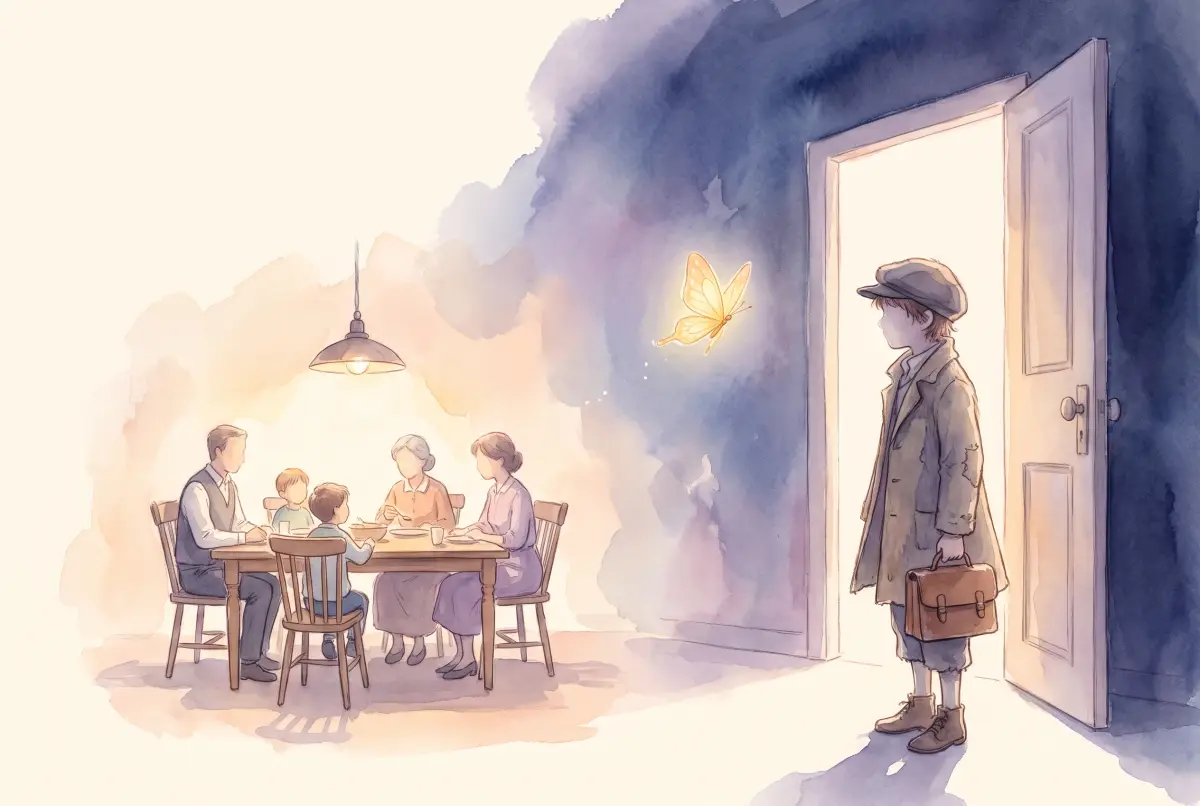
This has a name: reverse culture shock, sometimes called re-entry stress. It is common among people coming back from studying, working or living abroad, and it is not a sign that you love your home or your people any less. It is a sign that something real happened while you were away, on both sides.
The homesickness nobody warns you about
Most people prepare for the hard part of leaving. Hardly anyone prepares for the hard part of returning, because coming home sounds like the easy direction. You know the language, the streets, the people.
But that expectation is part of what makes it sting. When you arrived somewhere new, feeling out of place made sense, and everyone around you expected it. At home, you are supposed to fit. So when you do not, it is easy to decide something is wrong with you, or with them.
Nothing has to be wrong with either. You can miss the place you left, love the place you returned to, and feel a little lost between them, all at the same time.
And if coming back was not your choice, because of a visa, money, an emergency or a loss, it makes sense if you are grieving more than adjusting. You do not have to feel glad yet.
You changed, and home kept moving too
While you were away, you built routines, a different sense of yourself, maybe a different way of seeing the world. You may be more independent, or quieter, or more opinionated about things that used to seem normal.
Meanwhile, home did not freeze. Your friends had inside jokes form without you. Your family worked through things you only heard about in short messages, or not at all. Someone got a new job, someone had a hard year, someone stopped talking to someone else.
So there are two sets of changes, and neither side can fully see the other's. That is where a lot of the loneliness lives. It is not that nobody cares. It is that each of you is relating to a version of the other that is a little out of date.
It helps to remember this cuts both ways. You may feel unseen, and they may feel it too, especially if they sense you comparing everything at home to how it was done abroad.
Why "How was it?" can feel so lonely
At some point someone will ask how it was, and you will have about thirty seconds before the conversation moves on. You might say "amazing" and feel strangely hollow afterward, because the most important months of your life just got compressed into one word.
Research hints at why this can happen even with people who care. In a set of lab studies by Cooney, Gilbert and Wilson, participants who had an experience better than the one their peers had enjoyed it, but it made the conversation afterward harder, and they ended up feeling worse than if they had had an ordinary experience. Participants predicted the benefits of the special experience, but not the social cost.
Those were short lab experiences, not a year abroad, so hold the comparison lightly. But the pattern fits what many people describe after coming home. An experience others did not share can leave you with less common ground, not more. The people at home are not rejecting you. They just have nothing to hang the story on yet.
Why it can hit harder in some home cultures
One large study looked at how the culture you return to shapes re-entry. Černigoj and colleagues followed 1,485 high school students from 45 countries for 18 months, before, during and after a stay of 8 to 10 months abroad.
On average, students returning to more collectivist and culturally uniform home countries reported more re-entry stress. Students who leaned on acceptance, letting the difficulty be there and adjusting to it, tended to report less, while those who leaned on avoidance tended to report more. In more collectivist countries, not facing the stress directly was associated with more of it.
These are associations in teenage exchange students, so they do not predict how any one person will feel. But if your home puts a lot of weight on fitting in and keeping harmony, it may be worth knowing that feeling out of step there is a common and understandable response, not a personal failing. And that trying not to think about it at all may not make it smaller. Facing it can happen privately, on your own terms, without telling anyone before you are ready.
Small ways back in
You do not need one big conversation to fix this. Closeness at home usually comes back the way it was built the first time, in small pieces.
Share it in slices, not the whole story. Instead of answering "How was it?" with a summary, offer one small, specific moment. A meal, a mistake, a stranger who helped you. Small stories give people a way in.
Connect it to them. "Someone I stayed with cooked the way you do when you are stressed, everything at once" lands differently from a travel story. You are not just reporting where you went. You are showing them that you thought about them there.
Catch up on their chapter too. Ask about what happened while you were gone, and let it matter as much as your news. They had a year too, even if it did not come with photos.
Name the in between feeling to one person. Something like "I am really glad to be back, and I also feel a bit out of place, and I am not sure why" can take a lot of pressure off. You do not need it to be solved. You just need not to carry it alone.
Keep a little of there, here. A dish you learned to cook, a habit, a way of spending Sunday mornings. You do not have to pick one version of yourself. Letting the parts you grew into keep living at home can make it feel less like you left yourself behind.
Find someone who has also been away. Another returnee can understand the reference points without explanation. Let that be a bridge back to the people at home, not a replacement for them.
One gentle exception. If part of what you found abroad was room to be yourself in a way home may not accept, you do not owe everyone the full story. Share what feels safe, with the people who have earned it, and protect the rest. That is not hiding from your family. It is caring for yourself while things are still uncertain. And if home itself does not feel safe, your safety comes first. Reaching out to someone you trust outside the household is a strong step, not a betrayal.
How Murror helps you find your way back to people
Coming home can leave you full of feelings that do not have an obvious place to go. You are glad and lost at once, and it can feel ungrateful to say so to the people who waited for you.
Murror is an empathy practice built for moments like this. You open up with a caring AI companion that helps you understand what you are feeling, whether that is grief for the life you left, frustration at feeling out of step, or guilt for not being happier to be home. It also helps you think about the people you came back to and what their own year might have been like, so the distance feels less like a wall and more like something you can cross.
Over time Murror surfaces gentle insights about your relationships and small, low pressure ways to show up for the people in them, like a Moment to Care nudging you to ask a sibling about the part of their year you missed, or a Connection that holds what you are relearning about someone. When a private reflection turns into something you want to say, you can turn it into an optional takeaway you choose to share with someone you trust. Everything stays encrypted and private by default. It is a companion and a bridge toward people, never a replacement for them, and never therapy.
You can belong to more than one place
The loneliness of coming home can be a sign of how much you lived while you were away. That does not have to cost you the people who were here before it.
Give it time. Tell your stories in small pieces. Ask about theirs. Slowly, the people at home will get to know who you are now, and you will get to know who they became while you were gone. Home can hold both.
If the heaviness does not lift, or it starts to affect your sleep, eating or sense of safety, please reach out to someone you trust or a professional. That is not failing to adjust, it is taking yourself seriously.
Frequently asked questions
How long does reverse culture shock last?
There is no fixed timeline, and it varies a lot from person to person. For many people it eases over weeks or a few months as new routines form and the people at home get to know who you are now. If it feels heavy for a long time, or starts to affect your sleep, work or relationships, it is worth talking to someone you trust or a professional about it.
Is it normal to feel lonely around family after coming back?
Yes. Feeling lonely around people who love you does not mean the love is gone. Often it means you have changed in ways they have not had a chance to see yet, and they have changed in ways you missed. That gap can close, usually through many small conversations rather than one big one.
Why does no one want to hear about my time abroad?
Often it is less about them not caring and more about the gap between your experiences. In short lab studies, people who had a better experience than their peers enjoyed it but felt worse in the conversation afterward, likely because there was less common ground. Those were not trips abroad, but the pattern may feel familiar. Many people find that sharing small pieces, linked to things the other person knows, lands better than the full story at once.