
How to Make Someone Feel Appreciated
Updated 2026-07-04
There is someone in your life who has made things easier, warmer, more bearable, and you have never quite told them so. Maybe it is a friend who always texts back, a sibling who remembers the small things, a coworker who covers for you without keeping score. You feel the gratitude clearly. It just never seems to make the trip from your chest to your mouth, and so they may have no idea how much they matter to you.
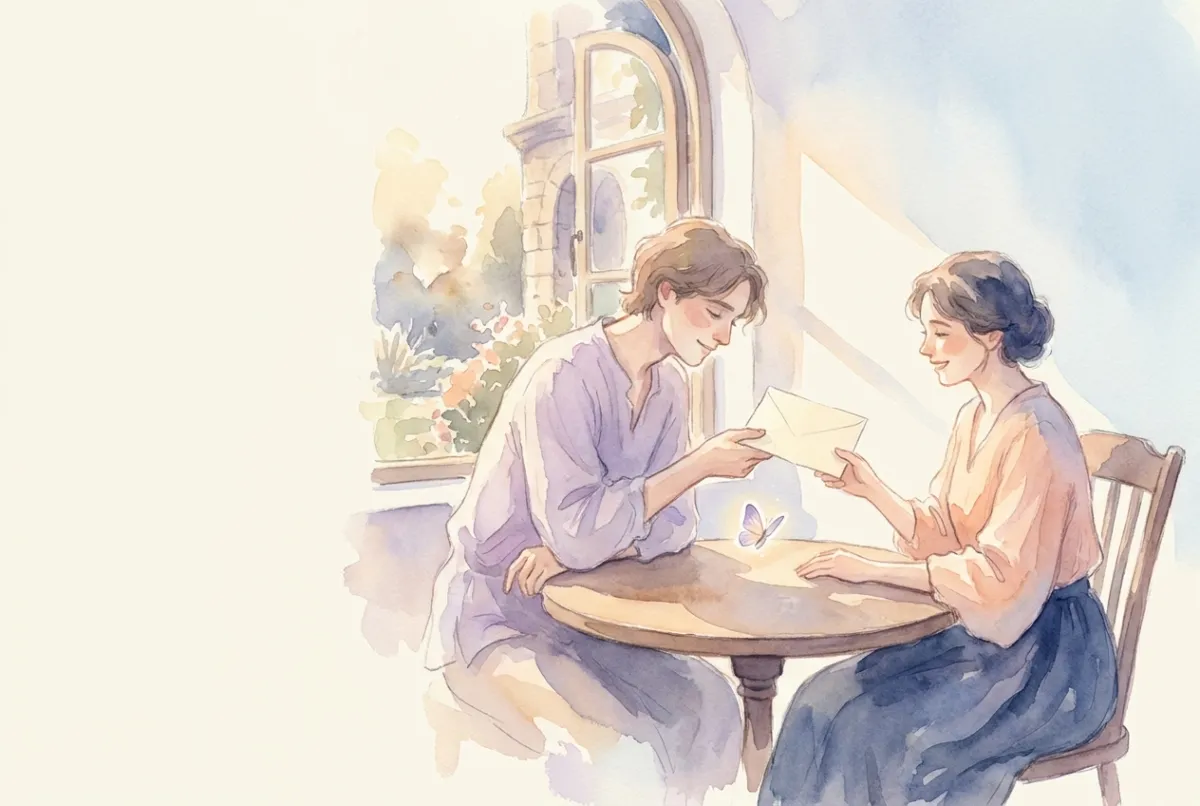
Making someone feel appreciated is not about grand gestures or perfect timing. It is a small, learnable skill: noticing what a person does, understanding what it means to you, and letting them feel that you saw it. Here are the parts that matter most, and gentle ways to get better at each of them.
Say it out loud, even when it feels awkward
The most common reason people do not feel appreciated is simple: no one told them. We assume our gratitude is obvious, or we wait for a moment big enough to justify saying something, and the moment never quite arrives.
Part of what holds us back is a quiet miscalculation. In a series of studies, researchers found that people who expressed gratitude tended to underestimate how positive and surprised recipients felt, while overestimating how awkward the exchange would be. In other words, the discomfort we brace for lives mostly in the anticipation, not in the actual moment. The person on the receiving end is usually more moved, and less weirded out, than we predict.
So the practical move is almost embarrassingly plain: tell them. A text that says I was just thinking about how much you helped me last month, and I never properly said thank you does not need to be eloquent. It needs to be sent. You are not risking much, and you may be handing someone a good feeling they will carry all day.
Be specific about what they did
A vague thanks for everything is kind, but it slides right off. It could be said to almost anyone. What makes appreciation land is specificity, because specificity is proof that you were paying attention.
Compare thanks for being a good friend with I noticed you called me every night that week my dad was in the hospital, even when I barely had words. The first is a nice sentiment. The second tells the person you saw them, remembered the details, and understood what it cost them. Detail is how gratitude becomes personal instead of generic.
A simple structure helps: name the specific thing they did, then name the effect it had on you. You stayed late to help me finish, and I went home feeling like I was not carrying it alone. When you connect the action to the felt difference it made, the other person gets to see their own impact through your eyes, which is one of the most affirming things a human being can receive.
Appreciate who they are, not just what they do
There is a quiet difference between praise and appreciation. Praise tends to evaluate performance, you did that well. Appreciation reaches for the person underneath the action, you are the kind of person who shows up. Both are welcome, but the second one tends to touch something deeper, because it tells someone they are valued for who they are, not only for what they produce.
This kind of noticing also does something for the relationship itself. In a study following people's everyday lives, researchers found that feeling and expressing gratitude was associated with relationship formation and maintenance over time. The authors described gratitude as a signal that helps us notice a good person already in our lives and draw closer to them. When you appreciate someone's character, patience, honesty, the way they make a room feel safer, you are not just being generous. You may be strengthening the bond between you.
Try naming a trait, not only a task. You are so steady, and being around you calms me down. It gives the other person something they can hold onto about themselves.
Make it small and often, not rare and grand
People sometimes save appreciation for big occasions, birthdays, farewells, milestones. But feeling appreciated is less about one large moment and more about a steady sense of being noticed. A small acknowledgment offered often does more than a heartfelt speech offered once a year.
This is good news, because small is sustainable. You do not need to plan anything. When a friend makes you laugh on a hard day, tell them right then: I really needed that, thank you. When someone remembers a detail you mentioned weeks ago, say you remembered, that means a lot. These take seconds, and they teach the people around you, gently and repeatedly, that they register with you.
A quiet habit works well here. You might tie it to something you already do, noticing one person to thank while your coffee brews, or sending one appreciative message before you close your laptop for the day. Made regular, appreciation stops being a special event and becomes part of how you love people.
Why feeling appreciated matters more than it seems
It can feel like a small thing, telling someone you are grateful for them. It is worth knowing how much weight that small thing carries.
Feeling appreciated is one of the threads that keeps relationships strong, and strong relationships are not a luxury. A landmark meta-analysis of 148 studies found that people with stronger social relationships had a 50 percent greater likelihood of survival over the study periods than those with weaker ones, an effect the researchers compared to well established risks like smoking. Every time you make someone feel genuinely seen and valued, you are tending one of those threads. You are not just being nice. You are helping build the kind of connection that people quietly depend on.
And appreciation tends to travel. When someone feels valued by you, they often soften, open up, and reach back, which is how a single honest thank you can warm a whole relationship over time.
How Murror helps you show appreciation
Making someone feel appreciated starts with understanding what they actually mean to you, and that is what Murror is built for.
Murror is a companion you can open up to with a caring AI that helps you make sense of what you are feeling and what is happening with the people you care about. When you are not sure why a certain friend keeps coming to mind, you can talk it through and come away clearer on exactly what they have done for you and why it matters. Murror gently surfaces insights about your relationships and small, low-pressure ways to show up, through features like Moments to Care and your Connections, so that a quiet feeling of gratitude can turn into a specific, thoughtful message to the person who earned it. If it helps, you can take something you reflected on and share it with the person you trust, on your terms. Everything stays encrypted and private by default.
Murror is not therapy, and it is not a replacement for the people in your life. It is a quiet place to understand yourself and the people you love a little better, so the appreciation you already feel has an easier path out into the world. That is the whole point: inner work that brings you closer.
You do not have to wait for the perfect moment or the perfect words. Pick one person who has made your life a little softer, and tell them one specific thing you noticed. It will take a minute, and it may stay with them far longer than that.
Frequently asked questions
How do you make someone feel truly appreciated?
Be specific and say it out loud. Instead of a general thanks, name the exact thing they did and the difference it made to you. People feel most appreciated when it is clear you actually noticed them, not just the task. A short, honest message that says I saw this, and it mattered tends to land far more than a bigger, vaguer gesture.
What is the difference between praise and appreciation?
Praise tends to focus on performance, you did a good job. Appreciation focuses on the person and their effect on you, I felt less alone because you called. Praise can feel like being evaluated, while appreciation feels like being seen. Aim to name who someone is and what they mean to you, not only what they accomplished.
Why does it feel awkward to tell someone I appreciate them?
Most of us overestimate how awkward it will be and underestimate how good it will make the other person feel. Research suggests people who express gratitude misjudge these reactions and so hold back more than they need to. The awkwardness usually lives in the anticipation, not in the moment itself, and a caring companion like Murror can help you find the words.